Tempat Arsitektur Data Bertemu Kenyataan
Juga tersedia dalam 19 bahasa
English · Español · 日本語 · Português (Brasil) · Français · Deutsch · Italiano · 한국어 · 简体中文 · Português (Portugal) · 繁體中文 · Türkçe · Polski · Tiếng Việt · ไทย · Українська · Español (México) · Français (Canada) · Deutsch (Schweiz)
Bab 10 dari Data Architect, Bagian 2: Arsitektur dalam Skala Besar. Sebelumnya: Integrasi dan Perpindahan Data.
Migrasi adalah tempat arsitektur data bertemu kenyataan. Setiap keputusan pemodelan, kualitas, data master, dan volume yang sudah kita buat diuji pada hari ketika jutaan rekaman tiba sekaligus. Dan migrasi yang “berhasil dimuat” tetap bisa gagal: pemilik yang salah, hubungan yang putus, pelanggan yang terduplikasi, sejuta email selamat datang, rekaman yang terkunci, atau akhir pekan cutover yang kehabisan waktu.
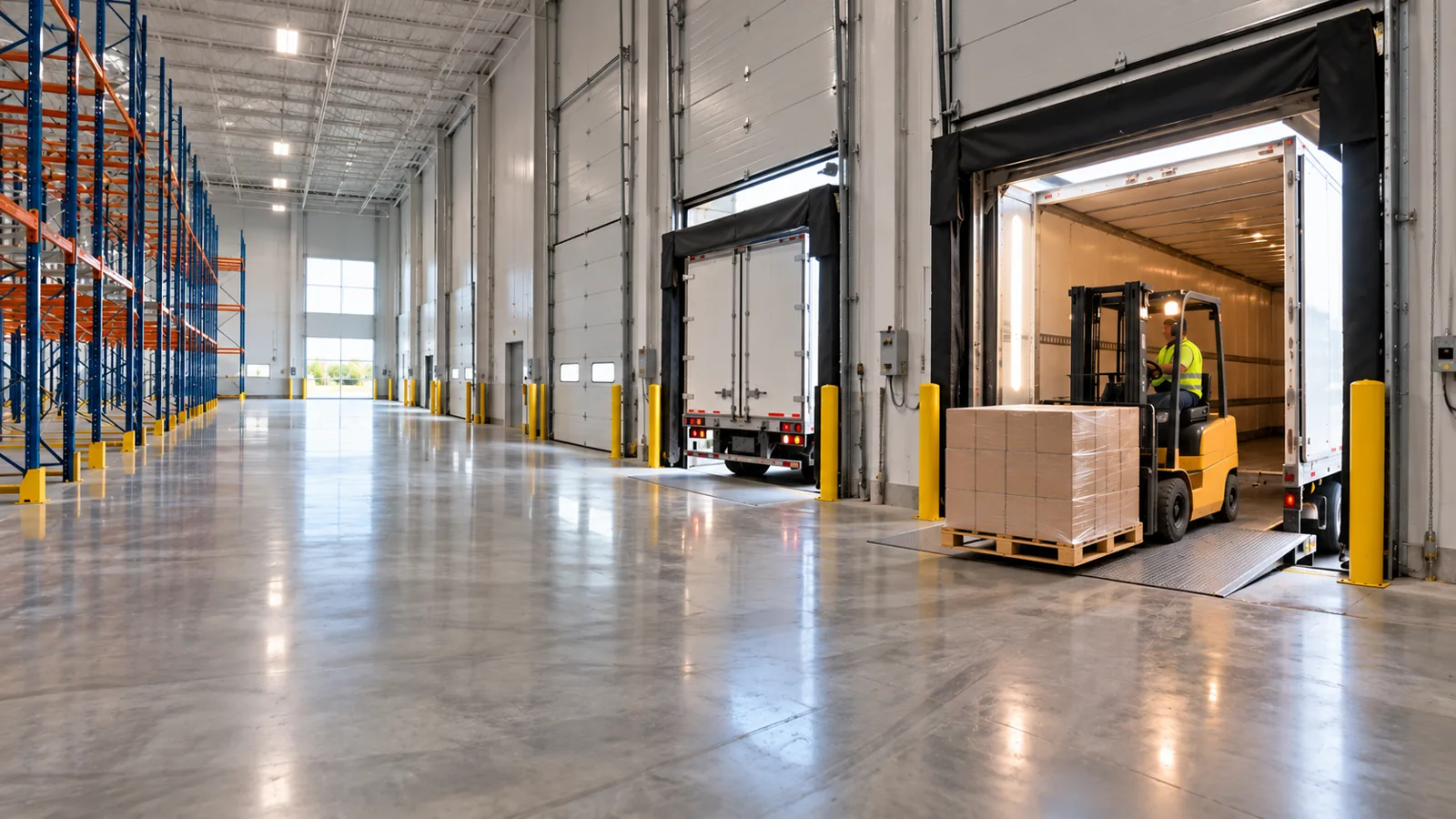
Image generated with AI. ⟲
Every CTA scenario has a legacy system to bring across, and the candidate has to say how the data comes in, how it’s cleaned and how it’s de-duplicated. This chapter is that answer, from the source extract to the moment the old system stops mattering, and then the copies that keep going. ⟲
One example runs through all five modules: Steve Trucking retiring RouteDesk, its old dispatch tool, with eight years and about 5 million deliveries. What comes into Salesforce, how it’s prepared, how it loads, what the automation does about it, and the weekend it all happens. Then the other direction: Salesforce, now the system of record, keeping Snowflake’s copy in step. ⟲
Gagasan-gagasan dalam bab ini
Section titled “Gagasan-gagasan dalam bab ini ”- Migration is a quality project first, and a migration is an integration with an end. ⟲
- Migrate, archive or discard, and know why every class of data moves, or doesn’t. ⟲
- Prepare outside, then load the result: a preparation data store, the raw source kept, no step that loses fidelity, and three sets of keys (the source’s, the transformations, Salesforce’s). ⟲
- The model sets the load order, and every child finds its parent by a key, never by a name. ⟲
- The Bulk API is the loading dock behind the bank, and the dock still needs a plan: insert before upsert, sort by parent, the load user, and the IDs brought back. ⟲
- Any time you turn automation off, you own that business logic not happening. The bypass is part of the original design, tested on and off and deployed long before it’s needed. ⟲
- Production cutover should be boring: rehearsed, run from a runbook, loaded early and hidden by sharing, with go/no-go and a rollback clock decided in advance. ⟲
- Buktikan dengan empat cara: jumlah, total, pemeriksaan acak, dan laporan agregat.
- Getting data out isn’t leaving Salesforce. Migration has a defined start and end; synchronization is ongoing, and the mirror is never the master. ⟲
Alur bab ini
Section titled “Alur bab ini ”Lima modul, masing-masing dapat dibaca secara mandiri.
- Migration Is a Quality Project First. RouteDesk on the landscape; migrate, archive or discard; the preparation data store; Steve’s five steps; loading by keys; merged records and their children; three sets of keys. ⟲
- Loading at Volume. The teller window and the loading dock; Bulk API 2.0 and 1.0; insert, update or upsert; sorting by parent; the load user; bringing the keys back; rehearsing the whole run. ⟲
- Automation During the Load. The arrows a load sets off; don’t need it, simulate it, defer it; what a bypass looks like in Apex, flows and validation rules; sharing; the automation inventory. ⟲
- Cutover Weekend. The runbook; Day −7, Day −1, Day 0 and the rollback point; locking users out; the four proofs; authority moves on Day 0. ⟲
- Getting Data Out: Keeping Another System in Step. Salesforce stays the system of record; Snowflake needs a mirror. The ways out, PK chunking, keeping it current, a copy once or a copy forever. ⟲
Yang diputuskan arsitek di sini
Section titled “Yang diputuskan arsitek di sini ”- Apa yang berpindah sama sekali: migrasikan, arsipkan, atau buang, dan mengapa.
- Bagaimana data dibuat layak sebelum tiba, dan bagaimana setiap rekaman tetap bisa ditelusuri ke sumbernya.
- Rencana pemuatan: urutan, kunci, konkurensi, identitas, dan kepemilikan.
- Apa yang boleh dipicu oleh pemuatan, dan bagaimana operasi normal kembali.
- Bagaimana cutover dijalankan dan dibuktikan, dan kapan rollback tidak lagi menjadi pilihan.
- Where migration ends, what keeps another system’s copy in step afterward, and who owns each value. ⟲
Di luar ujian: AI mempercepat separuh analisis dari sebuah migrasi: profiling, pemetaan, deteksi anomali, penulisan skrip. Pakai langkah demi langkah, dengan setiap perintah yang dihasilkan dilacak. Validasi, rekonsiliasi, dan go/no-go tetap deterministik dan dimiliki manusia. Setiap modul diakhiri dengan apa yang diubah AI.
Jelajahi
Section titled “Jelajahi ”- Salesforce, General Guidelines for Data Loads (terbuka di tab baru) and Bulk API and Bulk API 2.0 Limits and Allocations (terbuka di tab baru), checked 2026-11-01. ⟲
- Salesforce, Best Practices for Deployments with Large Data Volumes (terbuka di tab baru), Winter ‘27, checked 2026-11-01. ⟲
- Kursus Integration Architect: Bulk (coming soon).